Everyday Nutrition Habits

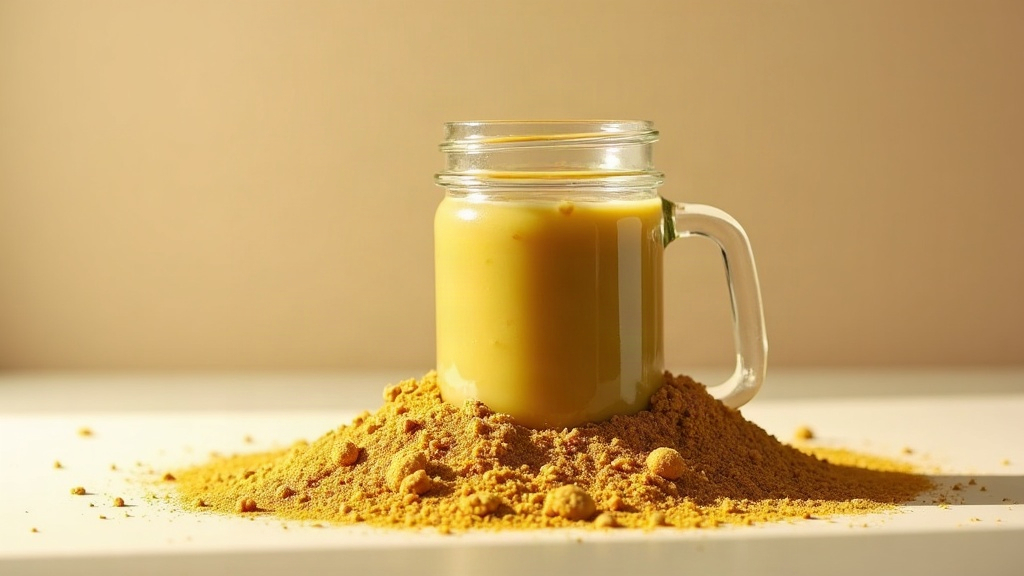
How Biblical drink (oil)/ Honey blend Fits Into the Way People Think About Everyday Meals

A closer look at the tradition behind Biblical drink (oil)/ Honey blend and how simple habits — like the order food is eaten in — shape the way many people approach their plates, always alongside the guidance of the healthcare provider who knows their history.

Everyday Nutrition  ·  Daily Habits  ·  Educational Content  ·  Kitchen Traditions

The Everyday Rhythm of Watching What You Eat

It’s 2:14 in the afternoon. The lunch plate has been cleared for over an hour, and the heaviness in the eyelids has already set in. This kind of afternoon isn’t unusual for people who pay close attention to how meals make them feel.

The Post-Lunch Slump

For many people, the hour after lunch brings a noticeable dip in energy. Some describe this stretch of the afternoon as a small ritual of its own — a cup of tea, a quiet pause, or a spoonful of something like Biblical drink (oil)/ Honey blend stirred into an old family recipe, more habit than remedy.

Mornings That Start Heavy

Waking up already tired, before the day has even started, is a common complaint among people who track how they eat and sleep. It often shapes decisions about breakfast before the first cup of coffee is finished.

The Grocery Aisle Guessing Game

Standing in front of a shelf, reading labels twice, wondering whether a food belongs on the plate — this kind of hesitation is familiar to anyone trying to make sense of conflicting nutrition advice.

The Weight of Every Plate

Deciding what goes on the plate, three times a day, every day, adds up. Many people describe meal planning as a quiet, ongoing mental task rather than a single decision made once.

Separating Common Assumptions From What Nutrition Educators Actually Say

Kitchen tables are full of half-remembered rules about food. Here’s how a few of the most common ones compare with what registered dietitians and nutrition educators generally discuss.

MYTH

All carbohydrates should be avoided completely.

FACT

Nutrition educators often talk about the quality, portion, and pairing of carbohydrates rather than eliminating them outright.

MYTH

Fruit is basically candy and should be skipped.

FACT

Whole fruit brings fiber and other nutrients that differ from processed sugar, which is one reason many nutrition guides treat the two separately.

MYTH

There is a special category of ‘diabetic food’ that must be purchased.

FACT

Many dietitians point out that everyday foods, prepared thoughtfully, can be part of a varied plate — a ‘diabetic’ label on packaging isn’t a requirement.

Three Everyday Habits Around How a Meal Is Eaten

Beyond what’s on the plate, many nutrition educators point to habits around how a meal unfolds — the order of foods, the pace of eating, and what happens right after the last bite.

01

Step 1: The Order on the Plate

Some people choose to eat vegetables and protein before reaching for the starchier parts of a meal, treating plate order as a simple habit rather than a rule.

02

Step 2: The Pace of the Meal

Slowing down, chewing thoroughly, and spacing out bites is a habit some people build over time, often noting that a rushed meal feels different from an unhurried one.

03

Step 3: A Little Movement After Eating

A short walk after a meal — even just a few minutes around the block or up and down the stairs — is a habit many people fold into their evening routine.

The Kitchen Story Behind Biblical drink (oil)/ Honey blend

Long before it had a name for modern shelves, the pairing of olive oil and honey appeared in kitchens across the Mediterranean and the Levant. Bread was dipped into shallow dishes where the two were mixed, served at family tables and shared during seasonal gatherings. Honey brought sweetness to preserve fruit and flavor sauces, while oil was the base of nearly every savory dish, from roasted vegetables to simple grain porridges. The combination shows up in old texts as a marker of hospitality — something offered to guests, drizzled over warm bread as a welcome rather than a remedy.

This is a story about culinary heritage and shared meals, not about any effect on the body. It sits in the same category as olive bread or fig preserves: a taste from another kitchen, another table, another time.

Everyday Moments Worth Mentioning at Your Next Appointment

Unexpected Fatigue Patterns

Feeling drained at times that don't match your usual routine is worth describing to the healthcare professional who oversees your care.

Noticeable Changes in Appetite

A shift in hunger or fullness that feels different from your normal pattern is a detail worth bringing up at your next visit.

New Difficulty Concentrating After Meals

If focus feels harder to hold onto after eating, that's a conversation worth having with your doctor rather than something to figure out alone.

Changes in Sleep Patterns

Sleep that feels lighter, shorter, or more restless than usual is worth mentioning to the professional who manages your ongoing care.

Unusual Thirst Patterns Noticed Repeatedly

If thirst feels different from what's typical for you, over more than a day or two, that's a good topic for your next appointment.

Any Change in How Usual Meals Feel

When a meal that used to feel fine suddenly doesn't sit right, it's worth describing to the healthcare provider who knows your history — not something to self-diagnose.

Everyday Stories About Meals and Routine

I used to eat whatever was closest on the plate first. Now I think about order a little more, and dinner feels less rushed than it used to.

Carol Whitfield
Illustrative account
Adding a short walk after dinner became a habit almost by accident. It's a small routine, but it's one I look forward to now.
Marcus Odom
Illustrative account
Meal planning used to feel like a chore every single night. Breaking it into smaller habits made the whole week feel more organized.
Renata Alves
Illustrative account

These are individual experiences shared for illustrative purposes. Results and experiences vary from person to person, and these testimonials are not a guarantee of any outcome.

Curious How Small Meal Habits Fit Into Your Routine?

Explore how plate order, meal pacing, and everyday traditions like Biblical drink (oil)/ Honey blend are discussed in kitchens and nutrition conversations alike. As always, talk with your doctor before changing your diet, routine, or any part of a prescribed treatment plan.

Advertising Disclosure: This is sponsored content produced for informational and promotional purposes. This page may contain affiliate links, and we may receive compensation if you make a purchase or take action through those links. This compensation may impact how and where products or links appear on this page.

Content Disclaimer: The content on this page is for educational purposes only and has not been evaluated by the Food and Drug Administration. It is not intended to diagnose, treat, cure, or prevent any disease and does not substitute for professional medical advice, diagnosis, or treatment. Always consult a qualified healthcare professional before changing your diet, routine, or any prescribed treatment.

Results Disclaimer: Individual results and experiences vary from person to person. Any testimonials, stories, or examples shared on this page are illustrative only and are not a guarantee of any specific outcome or result.

© 2026 · All Rights Reserved